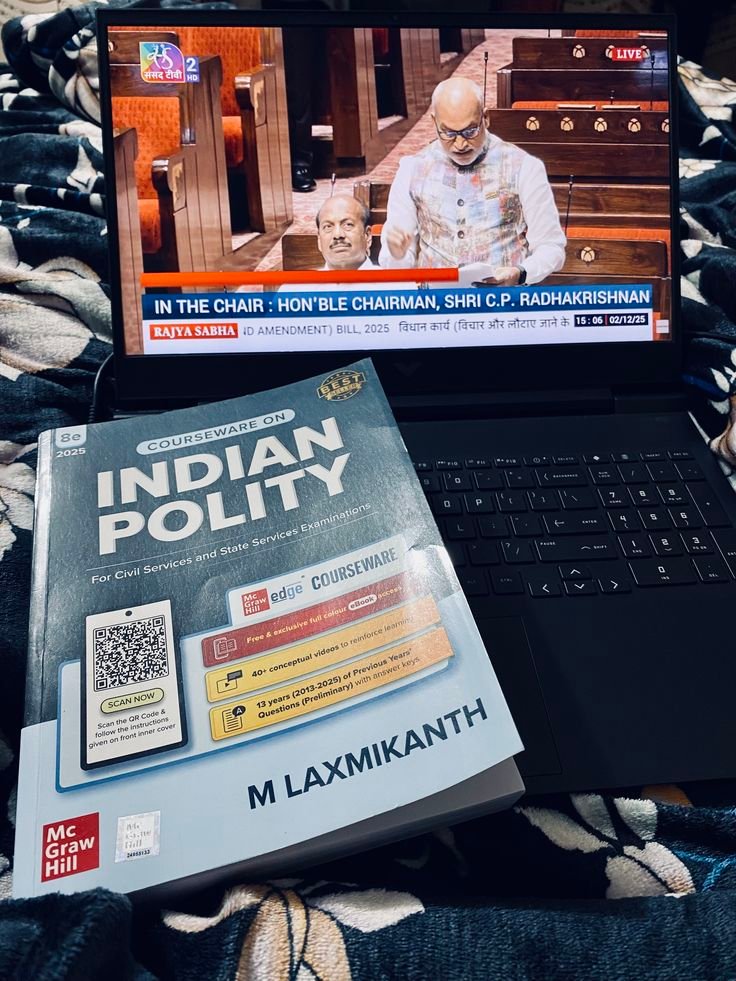
Understanding Fundamental Rights
Fundamental Rights are the basic human rights enshrined in the Constitution of India which are guaranteed to all citizens. These rights are essential for the all-round development of individuals and the country.
Right to Equality (Articles 14-18)
Article 14 guarantees equality before law and equal protection of laws. Article 15 prohibits discrimination on grounds of religion, race, caste, sex, or place of birth. Article 16 ensures equality of opportunity in matters of public employment.
Right to Freedom (Articles 19-22)
Article 19 grants six freedoms: freedom of speech and expression, assembly, association, movement, residence, and profession. Article 20 provides protection in respect of conviction for offences. Article 21 guarantees protection of life and personal liberty.
Right against Exploitation (Articles 23-24)
Article 23 prohibits human trafficking and forced labor. Article 24 prohibits employment of children below 14 years in factories, mines, and hazardous employment.
Right to Freedom of Religion (Articles 25-28)
These articles guarantee freedom of conscience and free profession, practice, and propagation of religion, subject to public order, morality, and health.
Cultural and Educational Rights (Articles 29-30)
These rights protect the interests of minorities by ensuring their right to conserve their culture and establish educational institutions.
Right to Constitutional Remedies (Article 32)
Dr. B.R. Ambedkar called this the "heart and soul" of the Constitution. It empowers citizens to move the Supreme Court for enforcement of Fundamental Rights through writs.